


Bringing the Tropics Inside: Essential House Palm Tree Care for Los Angeles Homes

Want a touch of the tropics indoors? Learn expert house palm tree care tips for Kentia, Areca & Parlor palms from Bloom Works Landscape in Los Angeles.
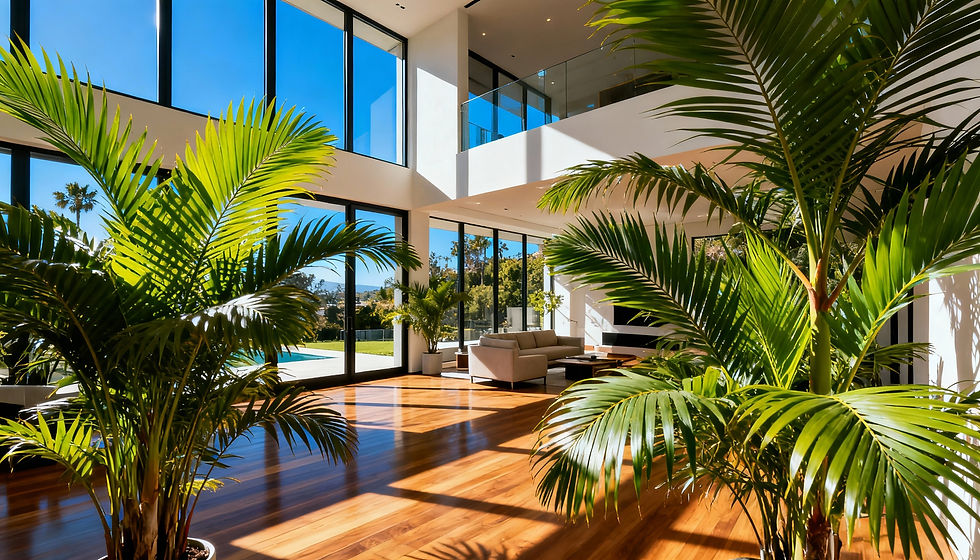
In Los Angeles, palm trees are synonymous with the outdoors, defining our skyline and landscape.
But what about bringing that tropical elegance inside? House palm trees—such as the classic Kentia, the popular Areca, or the majestic Parlor palm—are perfect for adding lush, organic beauty to your home.
However, moving a plant native to a humid jungle environment into an air-conditioned, low-humidity Southern California house requires specific care.
At Bloom Works Landscape, while our expertise lies in outdoor transformations, we understand that a home's beauty flows from the inside out.
Here is our essential guide to successful house palm tree care.
1. The Golden Rule of Light: Bright, Indirect is Best
One of the most common misconceptions about palms is that they need full, direct sun.
Most indoor palms are actually understory plants in nature, meaning they prefer the dappled light of the jungle floor.
Ideal Placement: Position your palm near an east- or west-facing window where it receives bright, indirect light.
Avoid Direct Sun: Intense, direct midday sunlight (especially from a south-facing window) can scorch the fronds, leading to bleached or brown spots.
Low-Light Tolerance: Varieties like the Parlor Palm and Kentia Palm are more tolerant of lower light conditions, making them ideal for offices or darker corners.
2. Watering: The Balance Between Moist and Soggy
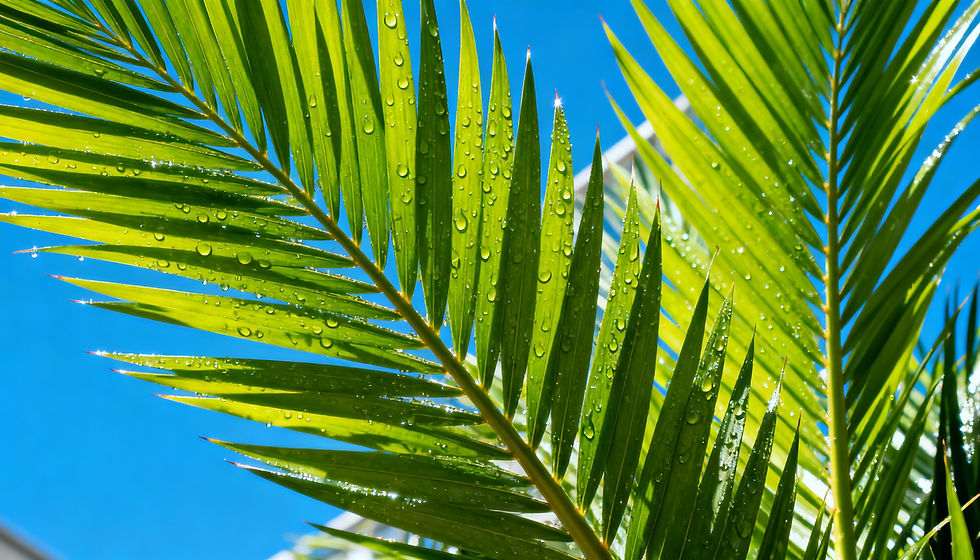
Overwatering is the number one killer of indoor palms. These plants hate "soggy feet," which quickly leads to root rot.
The Finger Test: Water your palm when the top inch or two of soil feels dry to the touch. Give it a deep soak until water drains from the bottom.
Drainage is Non-Negotiable: Always use a pot with drainage holes. If using a decorative pot without holes, keep the palm in a plastic grower pot inside it, and dump out any standing water after about 30 minutes.
Yellow Leaves = Too Much Water: If the fronds start turning yellow, you are likely overwatering.
Brown Tips = Too Little Water (or low quality): Brown, crispy tips often signal inconsistent watering or a buildup of salts/chlorine from tap water. Try using filtered, distilled, or rainwater, or let tap water sit out for 24 hours before use.
3. Humidity: Battling the Dry LA Air
Palms thrive in high humidity, a luxury often missing in temperature-controlled Los Angeles homes.
Dry air is the primary cause of those frustrating brown, crispy leaf tips.
Increase Local Humidity:
Misting: Lightly mist the fronds a few times a week.
Pebble Trays: Place the pot on a tray of pebbles filled with water, ensuring the pot bottom sits above the waterline. The evaporating water naturally increases humidity around the plant.
Group Plants: Clustering your houseplants creates a more humid microclimate.
Humidifier: For the best results, use a small room humidifier nearby, especially during the winter when heaters dry the air.
4. Soil and Feeding: Specialized Nutrients
Palms have unique nutritional needs and require specific soil to ensure proper drainage.
The Right Soil: Use a loose, well-drained potting mix specifically formulated for palms, cacti, or citrus, or mix regular potting soil with perlite or coarse sand for better drainage.
Fertilization Schedule: Feed your palm only during its active growing season (Spring and Summer), typically once a month, using a liquid fertilizer specifically marketed for palms.
Mineral Needs: Palm fertilizers contain crucial micronutrients like potassium, magnesium, and manganese. Potassium deficiency is common in palms and can cause older fronds to turn yellow or brown.
5. Pruning and Maintenance: Less is Always More
Palms require very little pruning, and over-trimming is a serious mistake that can stress or even kill the plant.
What to Prune: Only remove fronds that are completely dead (fully brown and dry) or damaged. Snip them close to the trunk using clean, sharp shears.
NEVER "Top-Trim": Palms grow from a single central tip (the "crown" or "spear"). Never cut this tip, as it will kill the plant.
Cleaning: Dust and debris can accumulate on the large fronds, hindering the plant’s ability to photosynthesize. Gently wipe the leaves with a damp cloth or rinse the entire plant in a shower periodically.
Featured Snippet Opportunity: "Why are the tips of my indoor palm turning brown?"
Brown tips on an indoor palm tree are most often caused by low humidity (dry indoor air), inconsistent watering (letting the soil get too dry between waterings), or a salt/mineral buildup from chemicals in your tap water.
Increasing the humidity and ensuring a consistent watering schedule are the best remedies.
Need Expert Help for Your Outdoor Palms?
While we are happy to provide guidance for your indoor oasis, Bloom Works Landscape specializes in large-scale outdoor landscape design and tree maintenance for Los Angeles properties.
If you have a majestic palm in your yard that needs expert trimming, health assessment, or preservation, trust our 25+ years of experience.
We provide all aspects of exterior tree and palm care, ensuring the iconic look of your Southern California property remains safe and vibrant.
Call us at 1-818-522-2476 or email us at info@bloomworks.la.


Comments